About Thrill Wave · Est. 2018
Made of people, for people.
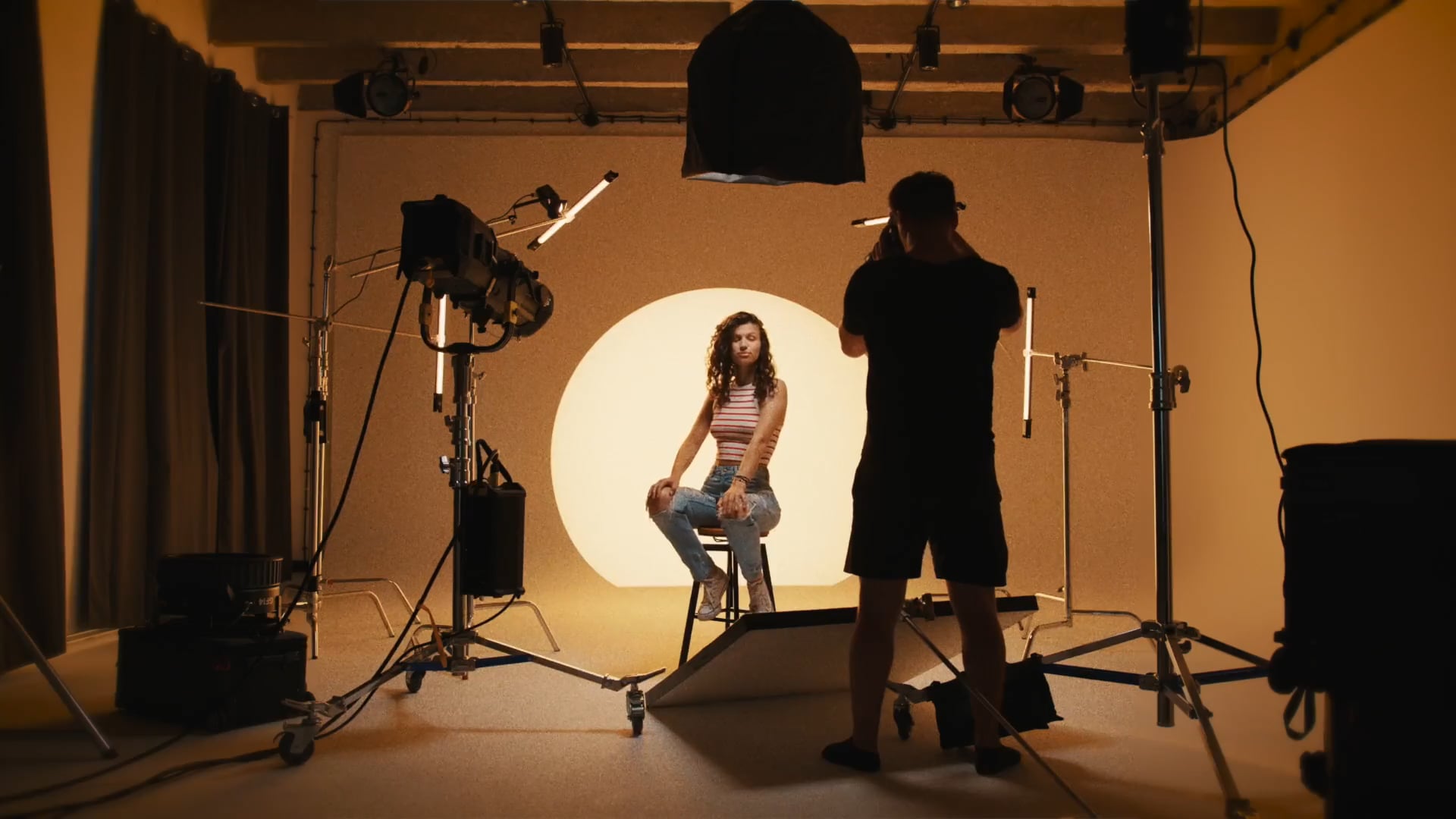
Thrill Wave is a video production company in Phoenix, Arizona. We find what's real in a story and the best way to express it, then make films you feel that still hold up years later.
Origin
Founded in 2018 in Phoenix, Arizona.
We started Thrill Wave because we love making things with people, and we kept watching the people get lost. Dated processes, smoke-and-mirrors pricing and endless bidding took the heart out of something that should be simple: good people, a true story and the care to tell it well. So we built the company we would want to hire, and we've tried to do right by everyone who walks through the door ever since. Here's where that has taken us so far:
- 2018Founded in Phoenix
- 10+Years behind the camera
- 80+Organizations we've worked with
- 12Fields and counting
Along the way, our films have won ADDY Awards, and we're proud members of the Arizona Production Association and AAF Phoenix.
Our founders came to film from very different places, and each path taught us something we still bring to set, from the rhythm of a good edit to the habit of asking why a story matters. Thrill Wave is where it all comes together. Even the name is the point: a thrill wave is what goes through you when something true hits, and “thrill” comes from an old word meaning to pierce.
Who we are
Artists, operators and problem solvers.
We work as one team on every film, and each of us pitches in wherever the work needs us. The artist in us chases what moves people, the operator keeps every shoot running smoothly, and the problem solver finds the clear story inside a complicated subject. When a film calls for more hands, we bring in trusted crew, and we care about the people on screen as much as the people who hired us. Here are the founders behind the work:
-
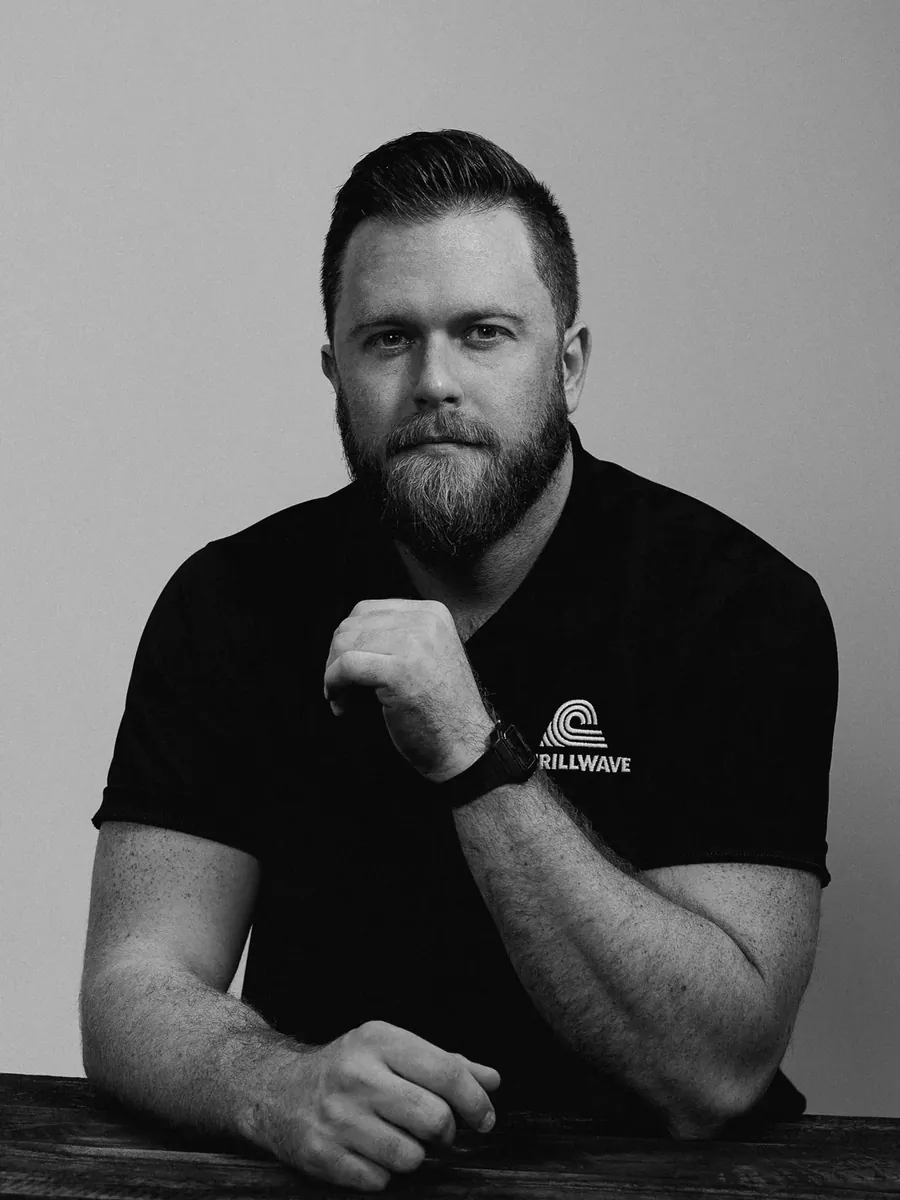
Chris Kuzman
Founder + Strategy
Chris leads our strategy and our SITREP research, digging into each client's craft, peers and industry before we shoot. He spends his days with communications leaders working through hard problems, and he writes about the craft, the people and the industry. He asks the questions that get to the heart of things, checks the answers against the facts and turns what he finds into the story worth telling.
-
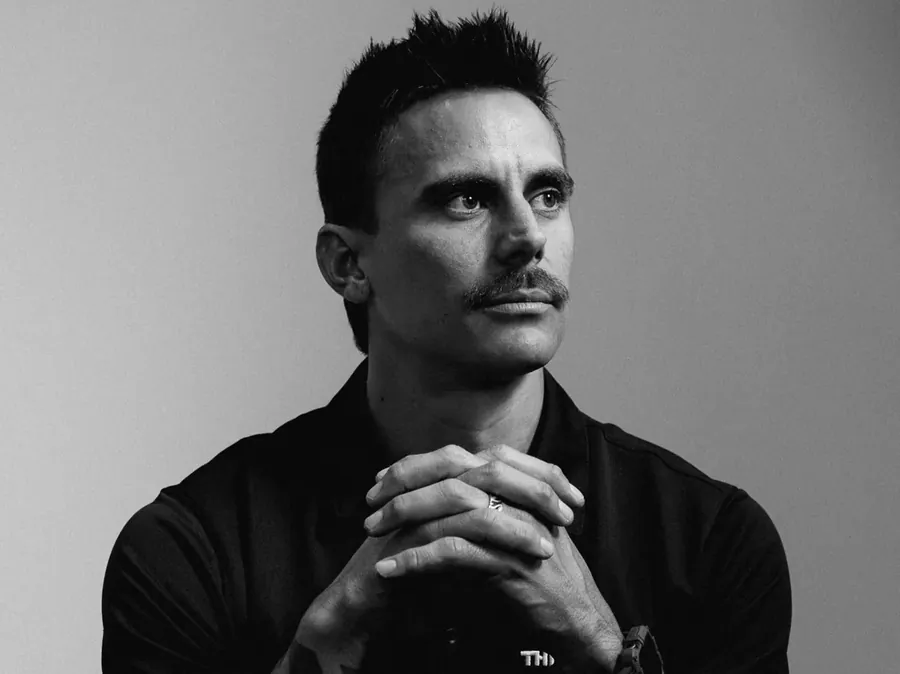
Tony Swann
Founder + Director
Tony is our director and director of photography, and he carries every film from the first frame to the final cut. He leads with a quiet humility: out front with his boots on the ground when it counts, and a step back when it's someone else's turn to shine. Crews respect him for it, and he always finds the shot. Add a sense of style that's all his own, and you have a director worth watching.
-
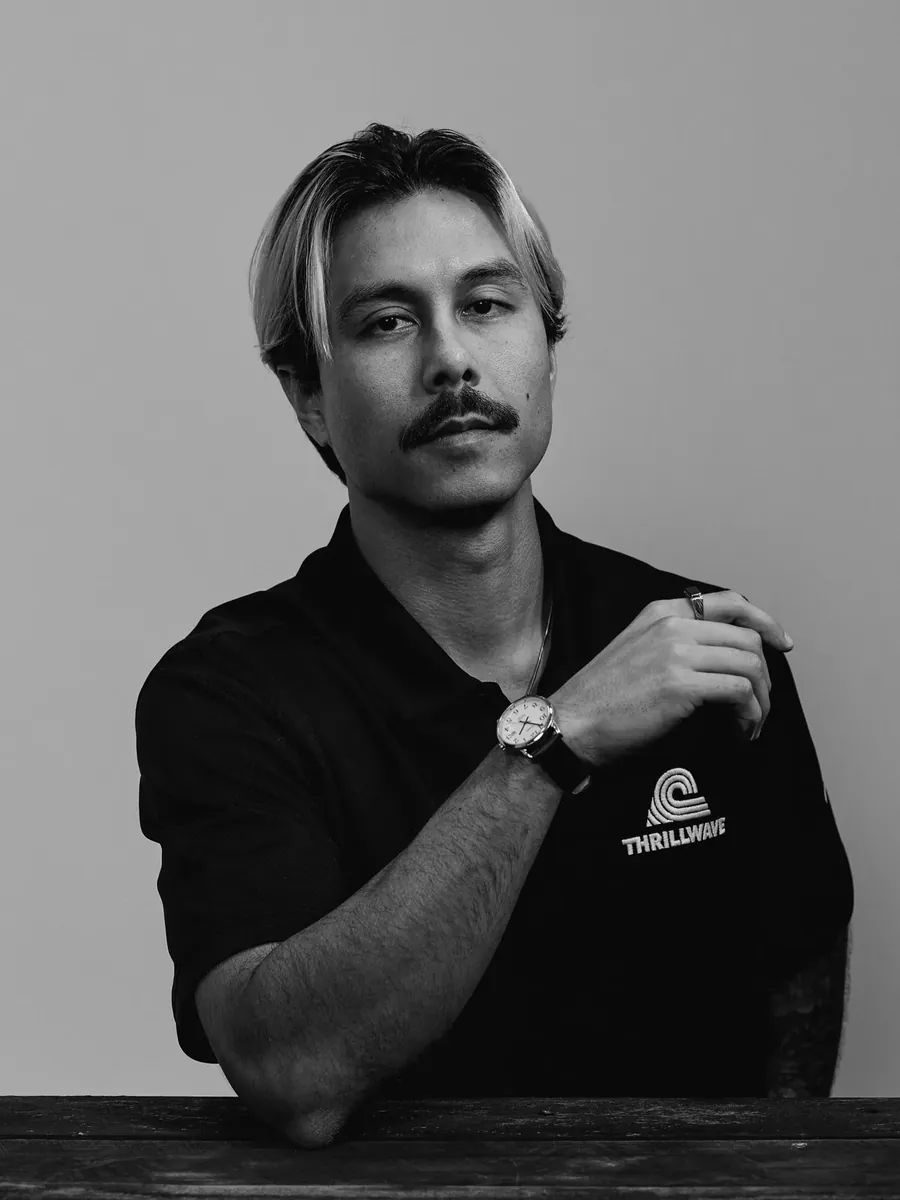
Ari Everett
Founder + Producer
Ari spent 12+ years running finance and operations at the biggest companies in the world, including Coca-Cola and Amazon. He runs Thrill Wave the way the best of them run theirs, leading the people, processes and systems behind every film so what ends up on screen is incredible. A lifelong love of tech, art and building great companies is why he helped create Thrill Wave, where all three meet.
Our manifesto
What we believe.
Here's what we believe about making films, and why it shapes every one we make:
There's no such thing as an audience. There are only people, and people take in a story in remarkably similar ways. Dune is set on a desert planet thousands of years from now, and nobody reading it has lived a day of Paul Atreides' life. Readers have still spent sixty years feeling his grief for his father and his fear of who he's becoming. You don't need to have lived a story to feel it. It just has to be true about being human. So we don't make films for demographics. We make them for the part of people that's the same in everyone.
The camera is the easy part. Anyone can buy a cinema camera now. Nothing changes anyone unless they feel something real, and nothing real comes out unless someone goes and gets it. Getting it is the hard part: the research, the hard questions, the patience to sit with someone until they say the true thing, and the nerve to keep it in the cut. That's what we do. The camera comes last.
We find what's real. Whatever the form, from a documentary to a short film to a music video, the work starts with what's real about the people and the story. Point a lens at someone and they start performing, so we earn their trust, ask questions worth answering and let silence do some of the work. We'd rather wait an hour for one true sentence than film twenty polished ones. We don't add feeling, we find the feeling that was already there.
Blood, sweat and tears built this world. Every organization assumes its story is dull. Nobody's is. They just haven't let anyone look. Behind every payment that clears and every slab of concrete that gets poured, someone took a risk, a crew showed up early and somebody's day went better because of it. We've gone and looked for Rumco, Payroc, and Citgo and Brundage Bone, and the story was there every time.
Nobody watches homework. People argue with a lecture and get lost in a story. Most films that institutions make set out to explain something, so people sit through them looking for reasons to disagree, or don't sit through them at all. When a brief asks us to teach, we look for the person the lesson happened to. A series on how government works became ten episodes about the people government touches, and our client trusted us to make it that way.
We take a side, and we tell you whose. There's no such thing as a neutral film. Every cut is a choice about what stays and what goes, and a film that claims no point of view is hiding its author. We'd rather show you ours.
We'll argue for the good version. The safe version is the risky one. Every project has a safe version and a good version. The safe one follows the trend, copies what a peer made and aims at a demographic, and it starts to date the day it comes out. The good one is built on something true about people, so it keeps working for anyone who sees it, years after launch. That makes timeless art the responsible way to spend money on a film, not the indulgent one. We'll push for the good version every time, and we'll tell you why. If you want exactly what you asked for, we're probably the wrong crew.
The best night of someone's year counts too. Some people wait all year for one night at a festival. When we cut the aftermovie, we cut it for them, with the same care we give our most serious documentary, because to them it matters just as much.
Our name goes on it. You don't hire a few people with cameras. You get the Thrill Wave treatment: people who care what happens after the film goes out. We don't put our name on anything we don't mean.
Under all of it sits one promise: we protect the people we film. We ask for consent first and treat everyone with dignity, especially when the story is personal.
Our values
What we care about.
Those beliefs show up as a few habits, from what we shoot to what we cut and when we speak up. They're what you can count on from us on every project:
- 01
We keep it true
We do the research, check our facts and let people speak for themselves. Whether it's a documentary or a scripted piece, everything on screen should mean something, and we never promise what we can't deliver.
- 02
We keep it simple
Untangling a complicated subject is our job, not the viewer's, so the message reaches people clearly.
- 03
We care about the craft
We love the problem-solving on set, the light and the edit that makes it all click. If a cut doesn't move us, we don't expect it to move anyone else, so we keep working until it does.
- 04
We stay accountable
You'll know who's on your project before the first shoot day, and we answer for how it turns out.
- 05
We talk straight
We're honest about scope, cost and timeline from the start, so there are no surprises, upsells or overpromises later.
- 06
We care what happens next
The final cut isn't the finish line. We pay attention to where the film lands and what it does for the people who watch it.
Start a project
We'd love to hear your story.
Tell us what you're working on, even if it's only a hunch so far. We'll find out whose story it really is, and then we'll help you tell it. The easiest way to start is to write to us here:
Write to us