
SITREP is our research, and every SITREP starts with one question: whose life does this change? It's the first step in going and getting the true thing, because you can't ask the hard question without knowing the world. Before we film, we dig into your craft, your peers, your industry and the wider field you work in, like your own research department that sits outside your walls. We report first, check our sources and let people speak for themselves. Then we form a point of view, help steer the story and go film it.
Why we bother
Most films that miss were decided before anyone picked up a camera: a gut feeling nobody checked, a copy of something a peer made, or a good film nobody planned to put in front of the right people. A little research up front heads all of that off, and it usually turns up a better story than anyone expected.
How a SITREP works
SITREP is short for situation report, and every project we take on starts with one. We learn everything we can about your world, figure out what it's telling us, and then make the film most likely to change how people see you. It happens in three steps:
Dig in
We study your craft, your peers, your industry and the sector around it.
Find the story
We bring you a point of view on what's worth saying and why people will care.
Make it
We film that story with real people and plan where it will be seen.
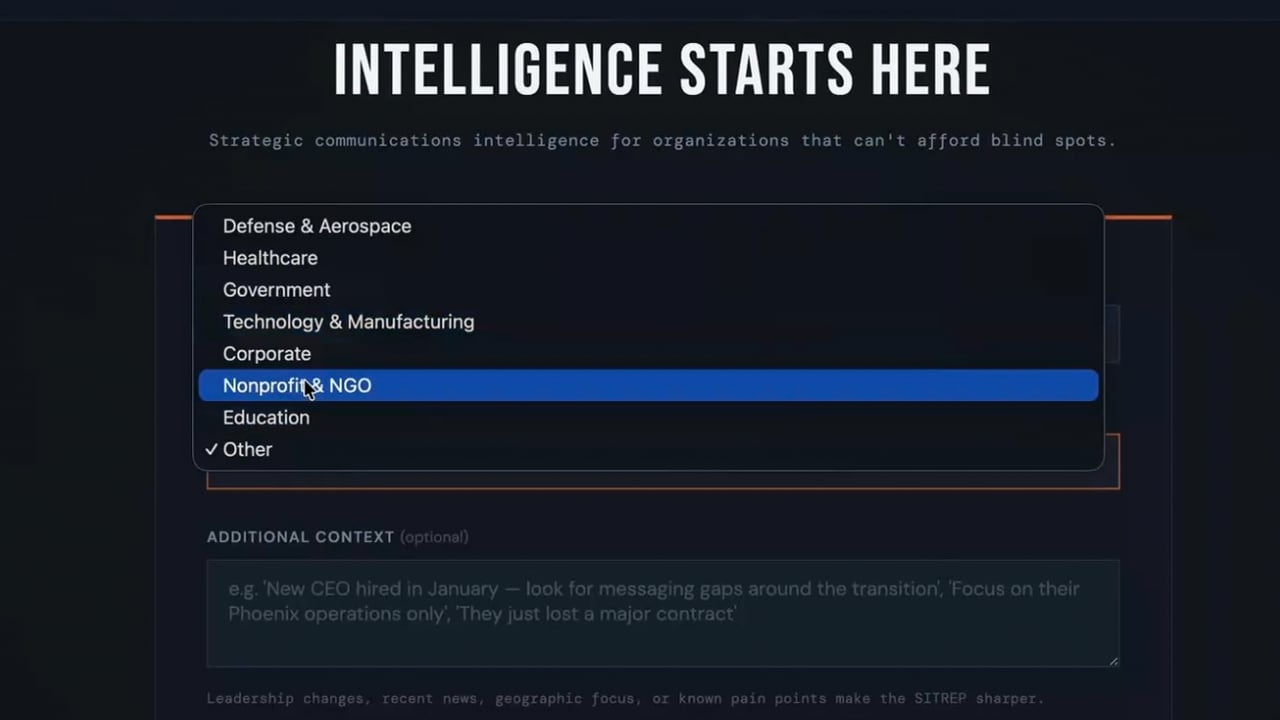
Inside the dashboard
We built a bit of software to keep all that research in one place. Here's a 45-second look at it:
Three films, one way of working
We made three separate films for ITCA, the Inter Tribal Council of Arizona. In every one, the research changed what we made, and by the time we picked up a camera we knew exactly what the film had to do. Here's what each SITREP found and what we made because of it:
WIC Nutrition Services
1Situation
ITCA wanted more families to enroll in WIC. Plenty of families qualified, but participation kept dropping.
2What we found
Many tribal members connected WIC with government surveillance. The problem was trust, not awareness.
3What we made
Tribal mothers speak straight to camera to other mothers. There's no narrator and no official voice telling anyone what to do.
Tribal Epidemiology Center
1Situation
The Center needed vaccine education for communities that have good reasons to doubt government health programs.
2What we found
The usual health messaging made things worse. People wanted to hear from their own leaders, not from outside authorities.
3What we made
Tribal health directors and community members explain it in their own words. We shot it on location in their communities.
Civic Engagement: Voter Education
1Situation
ITCA asked for a ten-part docu-series to help more tribal members vote in the 2026 election.
2What we found
People weren't staying home out of apathy. Staying home was a reasonable response to a long history of broken promises, and the series had to face that history first.
3What we made
"Your Voice, Your Power" is ten episodes with tribal leaders, elders and young voters, released ahead of the 2026 midterms. The whole story is in the case study.
See SITREP in action
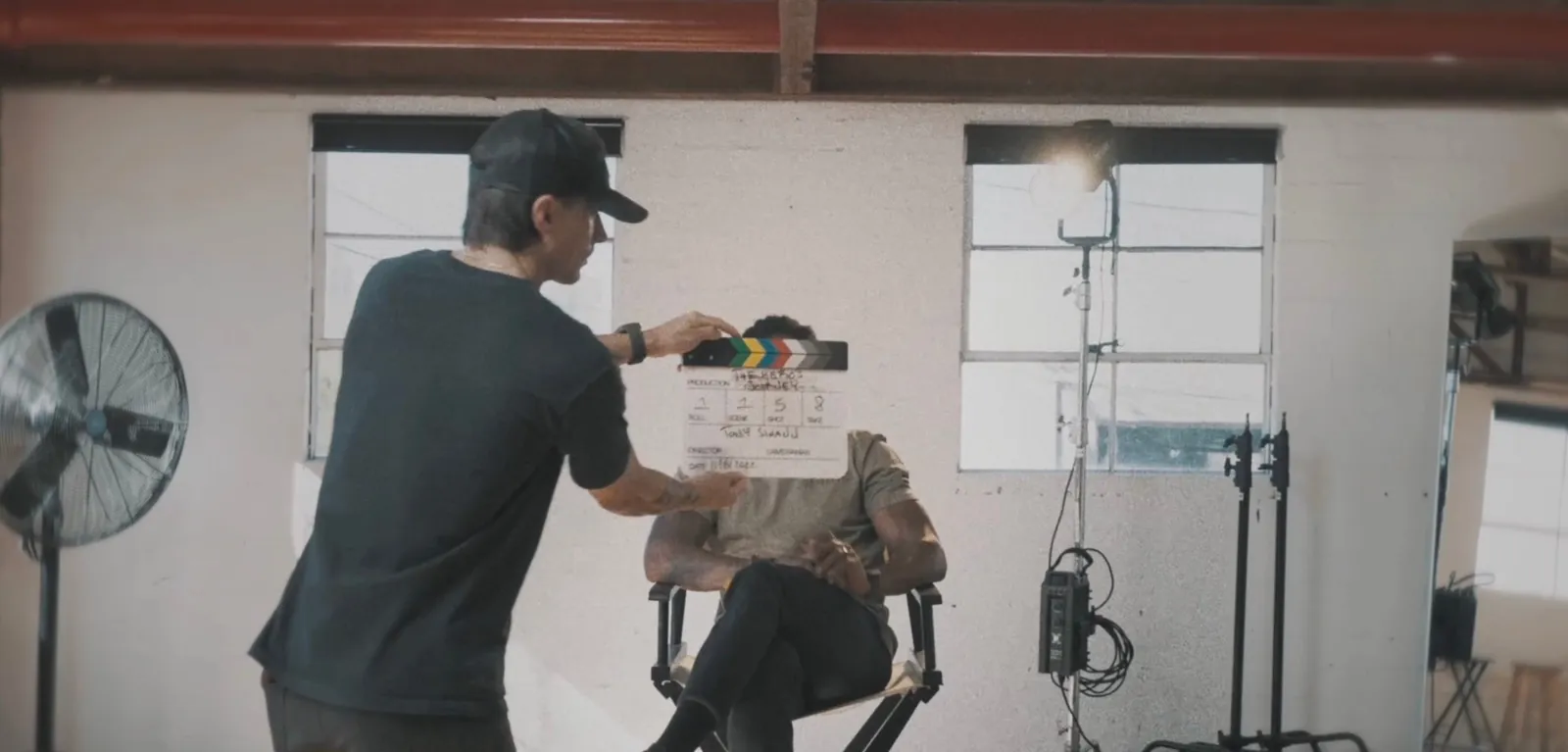
On the Tribal Epidemiology Center shoot, every setup, lens and camera move traced back to what the research said these communities needed to see. This three-minute breakdown walks you through it, and the full story is in the vaccine education case study. Take a look:
How it turned out
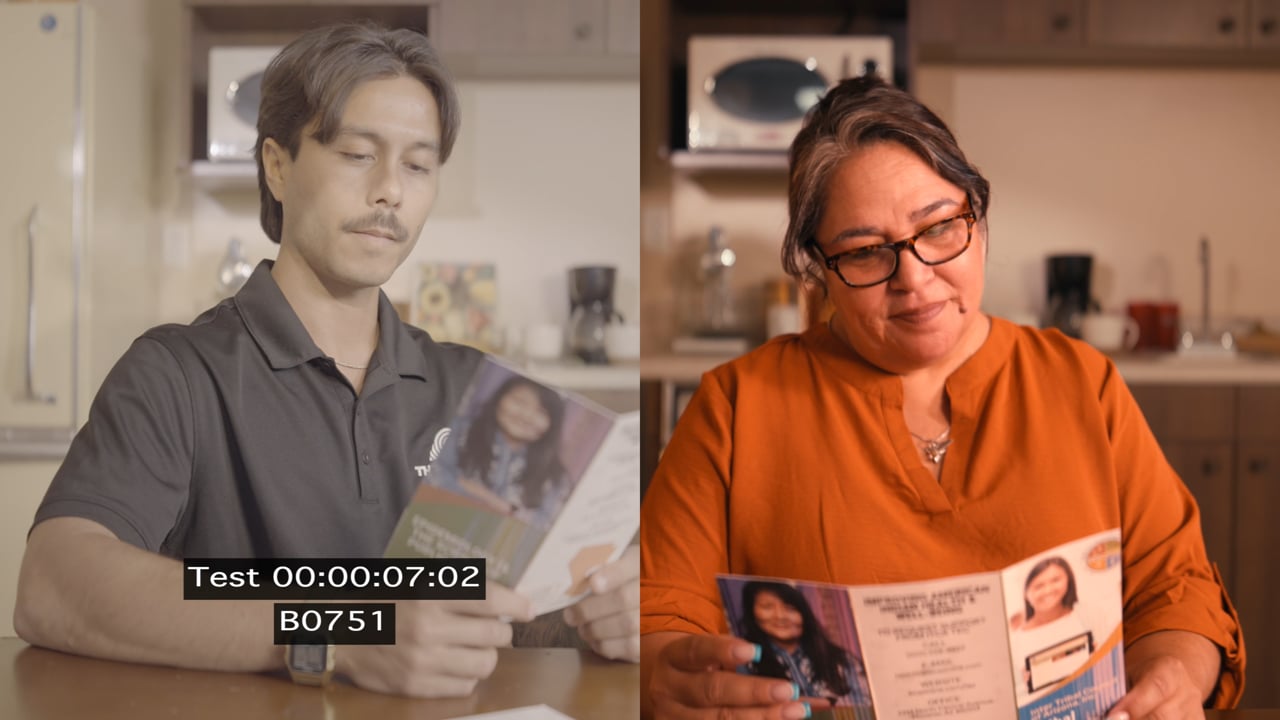
For WIC, the SITREP set the plan and we followed it. We shot the whole PSA series in unbroken takes, so the mothers on screen come across as neighbors, not actors. The Welcome to WIC case study has the public USDA numbers on WIC participation from around that time, and here are the films:


Start with a SITREP
If you'd like to see what we'd find in your world, and what working with us is like, book a demo. We'll run a SITREP on your organization and walk you through what turns up.
Demo SITREP