The Difference and Benefits of 8-bit Video vs. 10-bit Video
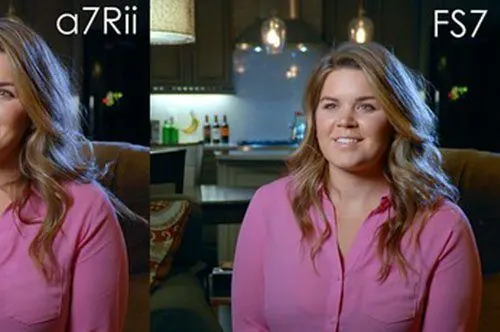
Bit depth sounds like a tech spec only camera nerds care about. We are those camera nerds, and we promise it matters. The difference between 8-bit and 10-bit video affects how your colors look, how far a shot can be pushed in the edit and how smooth your final film feels. Here's the plain version.
The Advantages of 8-bit Video
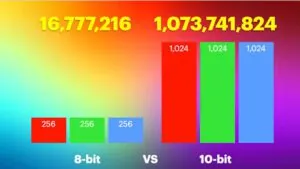
8-bit video uses 8 bits for each color channel, which gives 256 possible shades of each primary color. That sounds limited, but 8-bit can still look great. Its strengths are practical:
- Smaller files. Easier to store, faster to upload and download.
- Faster rendering. Handy when the deadline is tomorrow morning.
- Plays almost anywhere. It works on nearly every phone, computer and editing program.
The Benefits of 10-bit Video
10-bit video uses 10 bits for each color channel, which gives 1,024 shades of each primary color. That's four times as many steps between dark and light, and it shows:
- More accurate color. Skin tones, brand colors and skies look the way they should.
- More detail in shadows and highlights. Subtle variations in light survive instead of getting crushed.
- Smoother gradients. No ugly banding in a sunset or a softly lit wall.
- Room to grade. There's far more information to work with in color grading and visual effects, so the footage holds up when we shape the look.
Which One Should You Use?
It depends on the job. For quick social clips that won't be heavily graded, 8-bit is often plenty and saves time and storage. For brand films, commercials or anything where color really matters, 10-bit is the way to go.
Your gear matters too. Shooting 10-bit only pays off if your camera records it and your monitor and workflow can show and handle it. If you're not sure, ask your production team before the shoot. Bit depth is decided when you record, and you can't add it back later.
Conclusion
The difference comes down to how many shades each color channel can hold. 8-bit is lighter and easier to work with. 10-bit gives richer color, smoother gradients and much more freedom in the edit. Know what your project needs, and pick the one that gets you there.
Want a film that looks as good as your story deserves? Let's talk.