
Case studies ITCA Native Vote
ITCA Native Vote Your Voice, Your Power
Tribal leaders, legal experts and voters explain how government touches tribal life, one office at a time, so Native voters walk into the 2026 midterms ready.
The project
Here's what happened.
Here are the basics, followed by the short version of the story with the film beside it:
- Client
- ITCA Native Vote
- Goal
- Education
- Industry
- Government & Public Affairs
- Services
- Story, Production, Editing
- Episodes
- 10, plus a trailer
- Production
- 9 months
- Start to finish
- 1 year
- Crew on set
- About 5, at most 10
- Festivals
- 2 so far

Arizona Native Vote, an initiative of the Inter Tribal Council of Arizona, wanted voter education that tribal members would actually watch. Civics usually arrives as a pamphlet or a lecture. We made it a documentary series instead: ten episodes, each built around one question about how a part of government shapes tribal communities, answered by tribal leaders, legal experts, public servants and community members in their own words. It's nonpartisan from start to finish: it doesn't tell anyone how to vote, it shows why the vote matters. We timed it to land before the 2026 midterms, and it has already played at two film festivals.
The SITREP
What our research changed.
Before we filmed anything, we did our SITREP research into ITCA Native Vote's work, the people it serves and the field around it. It changed the plan, and here's how:
- 01
Where things stood
ITCA asked for a ten-part docuseries to help more tribal members vote in the 2026 midterm election, and to explain how state, county and federal government actually reach their communities.
- 02
What we found
Our research found that people weren't staying home out of apathy. Staying home was a reasonable response to a long history of broken promises, and the series had to face that history before it could ask anyone to show up.
- 03
What we made
So we let the people closest to the issue carry it. We kept the crew small on purpose, usually around five people, so interviews felt like conversations rather than productions, and tribal leaders, elders, experts and young voters could speak honestly and at their own pace.
The series
10 episodes, one question each.
Each episode takes one part of government and asks how it reaches tribal communities. The series is presented by the Inter Tribal Council of Arizona and created by Arizona Native Vote, in collaboration with the Arizona State University Indian Legal Clinic. Here's the whole series, in order:
-

How does the Arizona Governor's office affect Tribal communities?
-
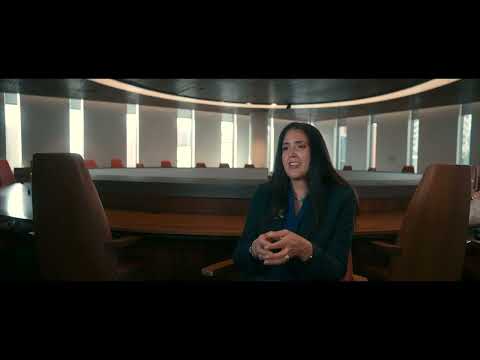
What does the Arizona Secretary of State have to do with your vote?
-

How does the Arizona Attorney General impact Tribal Nations?
-

How does the Arizona Legislature shape the lives of Tribal communities?
-

How can ballot propositions affect Tribal communities?
-

How does the federal government affect Tribal Nations?
-

How does the state government coordinate with Tribal Nations?
-

How does county government affect Tribal Nations?
-

What does it mean to be a Native voter living on or off Tribal lands?
-

Why is it important for Native voters to take part in state, local and federal elections?
The numbers
The numbers around it.
We like to show the bigger picture around a project. These are public numbers, and each one comes with its source:
- 1948The year the Arizona Supreme Court recognized the Native right to vote, 24 years after the Indian Citizenship ActSource: ITCA
- 1970The year federal law ended the literacy tests that kept most Native Arizonans from voting after 1948Source: ITCA
- 2008The year Arizona Native Vote began, after the state's voter ID law kept Native voters from the polls in disproportionate numbersSource: Arizona Native Vote
More case studies
Keep reading.
If you liked this one, here are a few more stories like it:
-

Education
ITCA WIC: Welcome to WIC
A welcome film, a series of short guides and Dear Mom, so tribal families trust WIC enough to enroll and know what to do once they have.
-
Exposure
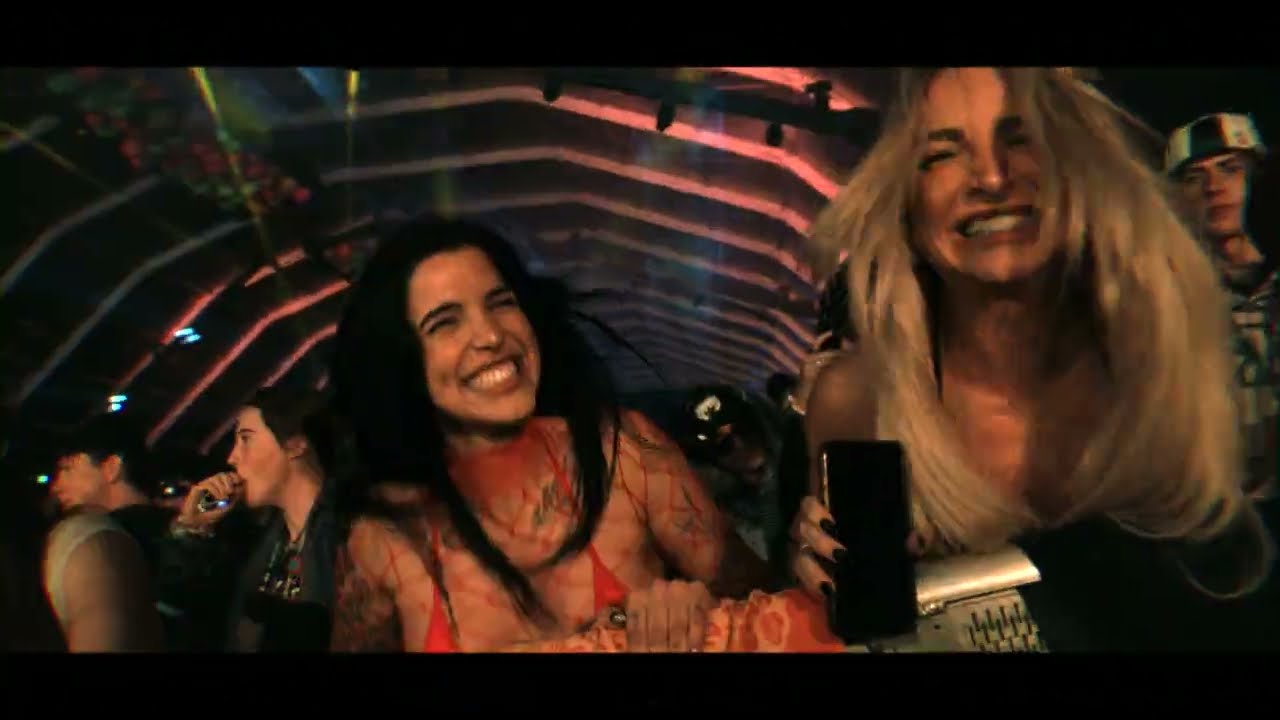
Relentless Beats: Decadence Arizona
Our aftermovie lets fans relive the night and puts next year's festival in front of everyone who missed it.
-
Sales
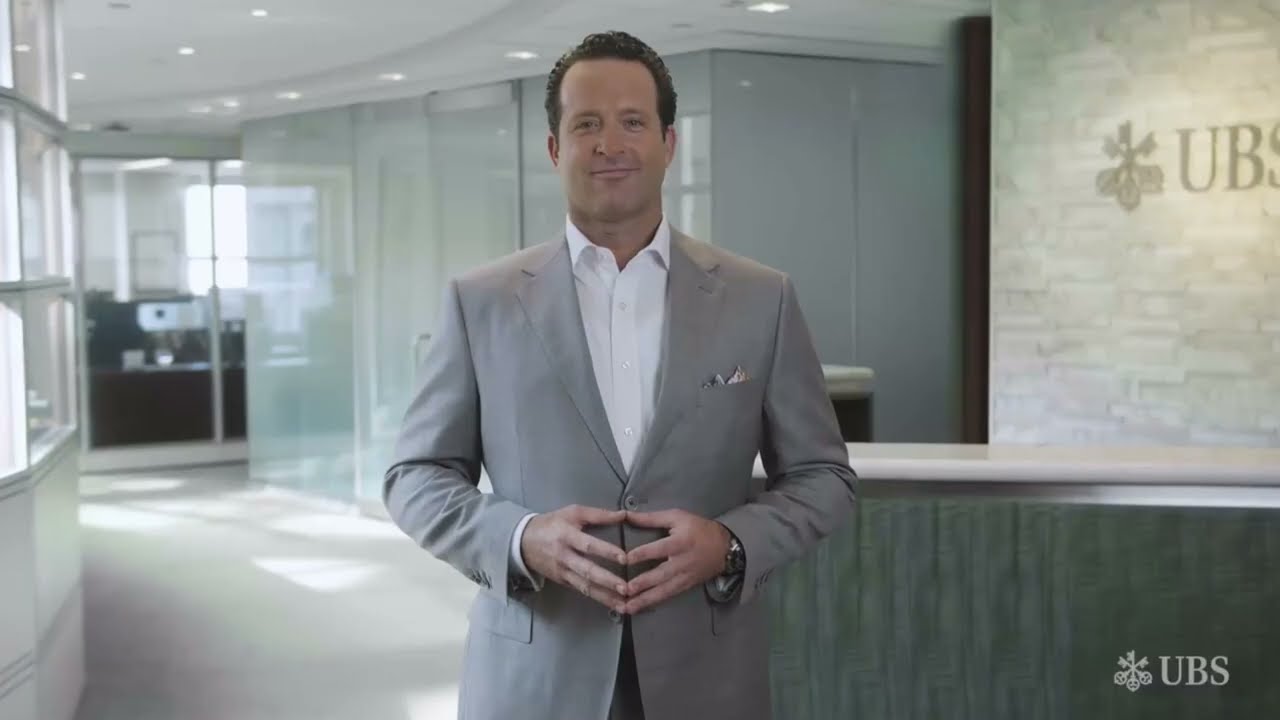
UBS & Finnerty Partners: Service Without Compromise
We made a team film that lets prospective clients feel the service before the first meeting.
Start a project
We'd love to hear your story.
Tell us what you're working on, even if it's only a hunch so far. We'll do the homework, and then we'll help you find the best way to tell it. The easiest way to start is to write to us here:
Write to us